Are Stairlifts Easy to Use for Elderly People?
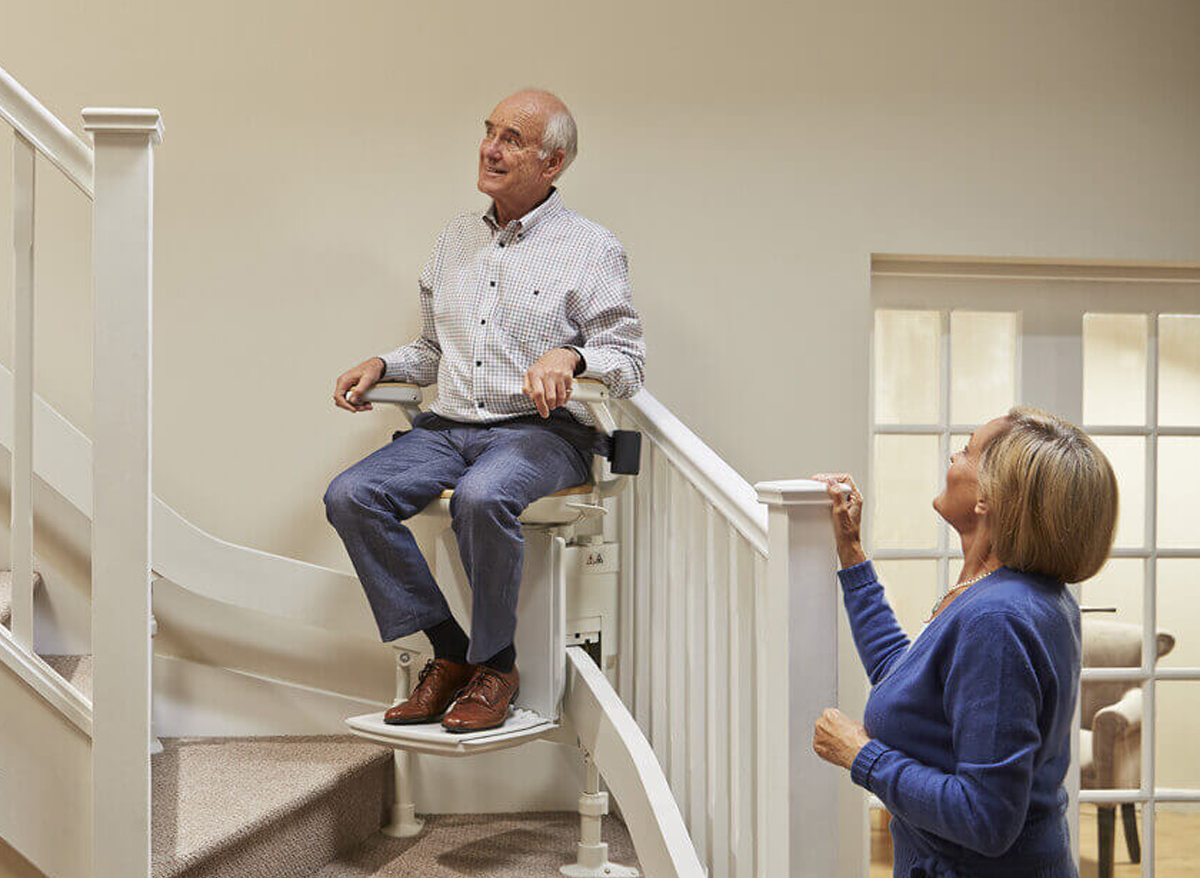
One of the most common concerns people have when looking into a stairlift is whether it’s actually easy to use, especially for elderly users.
A lot of people imagine something complicated or awkward, but in reality, stairlifts are designed to be as simple and straightforward as possible. In most cases, they’re actually far easier and safer than using the stairs themselves.
Simple controls anyone can use
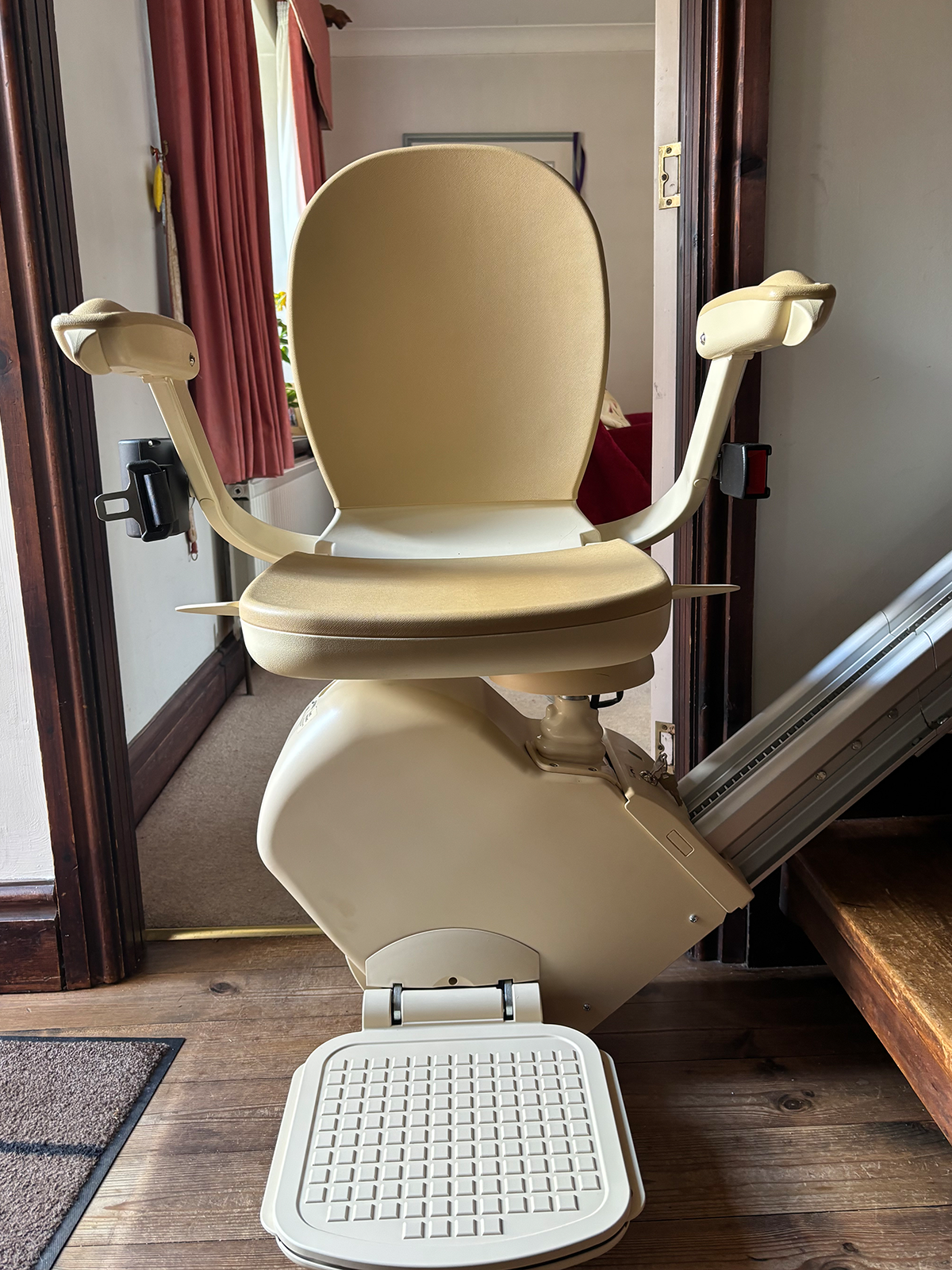
Most stairlifts operate using a very basic control system, usually a simple up and down toggle or button on the armrest.
There’s no complicated setup or learning curve — you simply hold the control in the direction you want to travel, and the lift moves. Let go, and it stops.
Many stairlifts also have controls on both sides of the chair, which makes it easier if one hand is weaker than the other. This is especially useful for users who may have limited strength or mobility on one side.
Designed with safety in mind
Every stairlift comes with built-in safety features as standard.
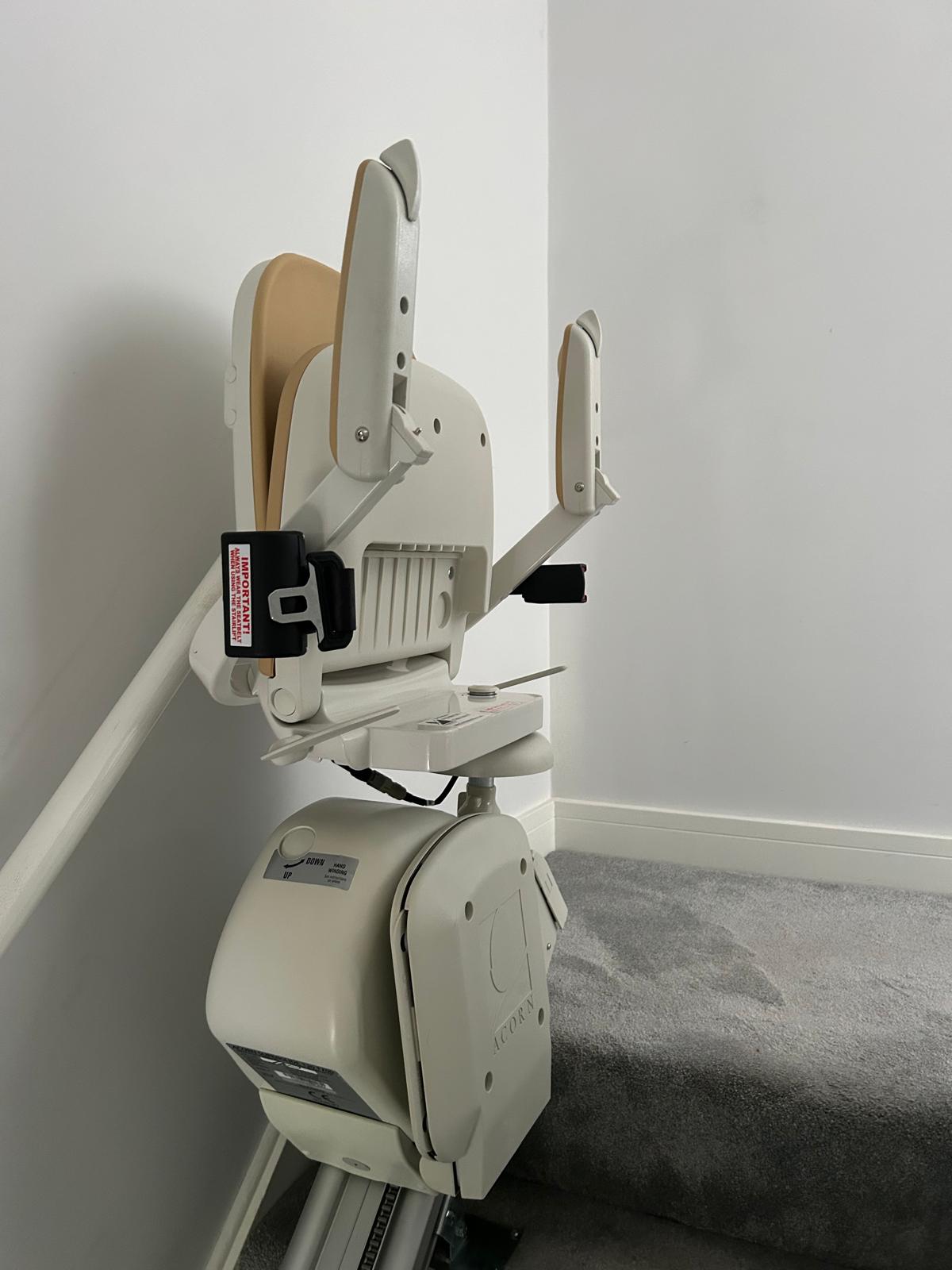
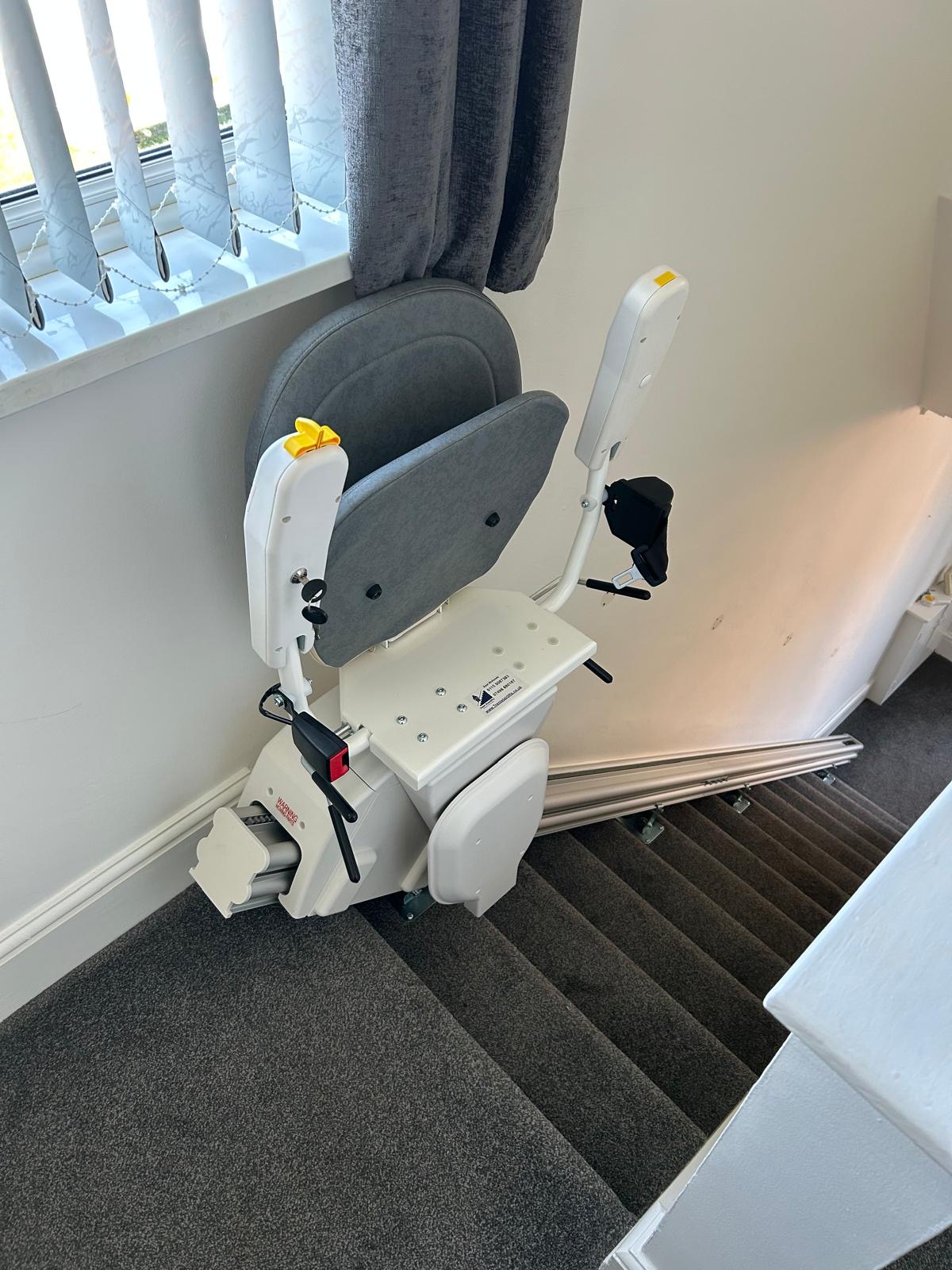
These typically include a seatbelt to keep the user secure while travelling, as well as sensors around the footrest and carriage that will stop the lift if something is in the way.
These systems are there to prevent accidents, but in day-to-day use, most people find they rarely even notice them working — everything just feels smooth and controlled.
Automatic swivel seats make things easier
At the top of the stairs, the seat usually needs to turn slightly so the user can get off safely onto the landing.
This can be done manually using a lever, but for many elderly users, especially those with reduced mobility or cognitive conditions, an automatic swivel seat can make a big difference.
Instead of having to turn the seat themselves, it moves automatically into position, reducing the need to twist or lean, which can be uncomfortable or even risky on the stairs.
Much safer than using the stairs
For many people, the biggest benefit of a stairlift is simply reducing the risk of falls.
Climbing stairs can become difficult and unpredictable with age, especially if balance, strength or confidence is reduced. A stairlift removes that risk entirely, providing a stable and controlled way to move between floors.
It’s not just about convenience — in many cases, it’s a much safer option overall.
Easy to understand and live with
Stairlifts are designed for everyday use, so everything about them is kept simple.
Even fault alerts are straightforward, usually shown through basic beeps or lights rather than anything complicated. This makes it easier for users to understand if something needs attention.
Most people who install a stairlift get used to it very quickly, often within the first day or two.
Final thoughts
Stairlifts are built to be easy to use, safe, and reliable, especially for elderly users.
Once installed, they quickly become part of daily life, and most people find them far easier to use than they expected.
If you’re unsure what type of stairlift would suit your needs, you can view our stairlift options here or get a free quote and we’ll talk you through it.
Stairlift ease of use – FAQs
Are stairlifts difficult to operate?
No, they are designed to be very simple, usually with just an up and down control.
Can you use a stairlift with one hand?
Yes, most stairlifts have controls on both sides, making them easy to use either way.
Are stairlifts safe for elderly users?
Yes, they include seatbelts and safety sensors to prevent accidents.
What is an automatic swivel seat?
It’s a feature that turns the seat automatically at the top, making it easier and safer to get off.
How long does it take to get used to a stairlift?
Most users feel comfortable using it within a day or two.
Are stairlifts safer than stairs?
In most cases, yes — especially for those with reduced mobility or balance.
post tags :
view related content
Previous Jobs