Can Stairlift Batteries Be Recycled?
Stairlift batteries are consumable parts and eventually need replacing, so one question that comes up fairly often is what actually happens to the old ones.
The good news is that stairlift batteries can be recycled.
Most stairlifts still use sealed lead-acid batteries, and there is a well-established recycling process for these in the UK.
Lithium batteries are becoming more common on newer stairlifts too. These can also be recycled, although the recycling process is a little more specialised and isn’t quite as straightforward as traditional lead-acid batteries.
What type of batteries do stairlifts use?
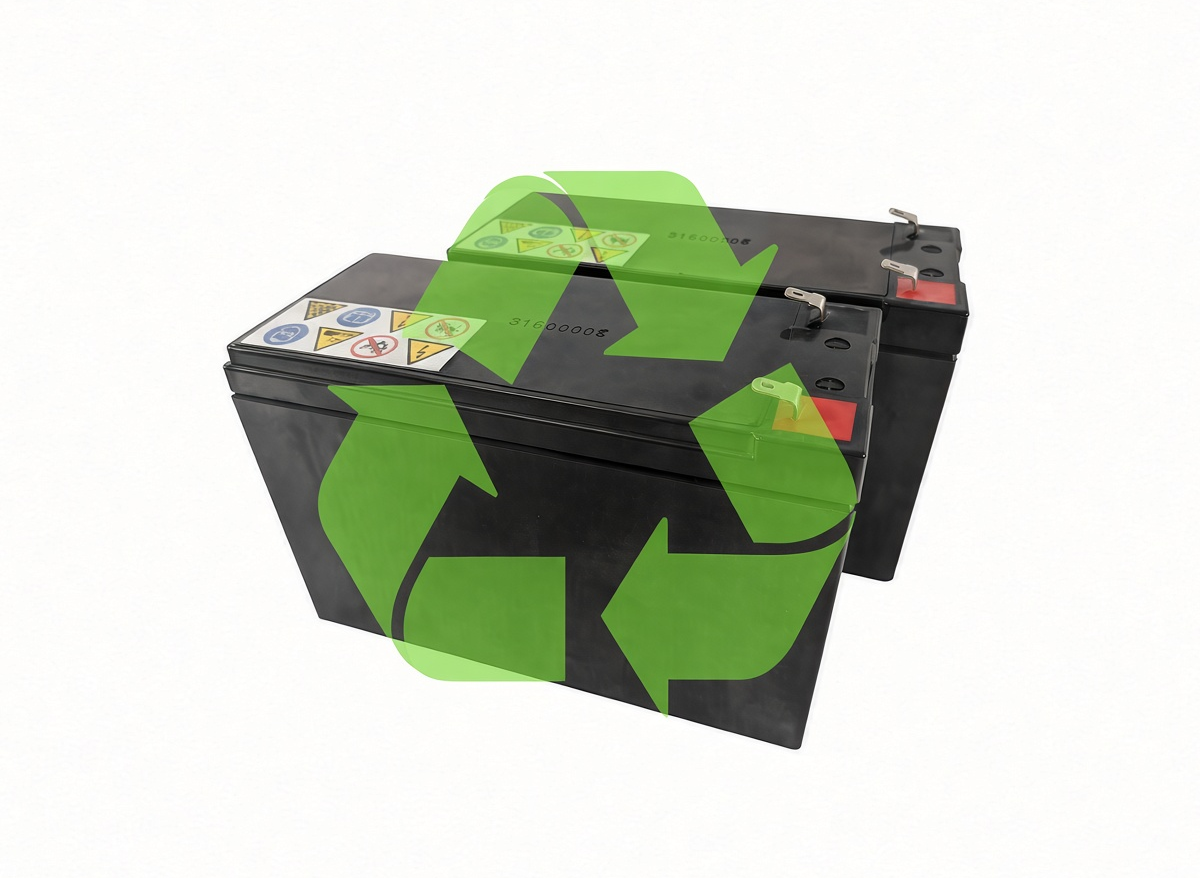
The majority of domestic stairlifts use two 12-volt sealed lead-acid batteries.
These work together to provide the 24-volt supply used by the stairlift while it travels.
The mains electricity in the home is mainly there to keep those batteries charged.
This is why a stairlift can normally continue working during a power cut for a period of time.
Some newer stairlifts use lithium battery packs instead, particularly where manufacturers want a smaller, lighter or longer-lasting power source.
Lead-acid stairlift batteries are highly recyclable
Lead-acid batteries have been used in vehicles, mobility equipment and other machinery for decades.
Because of that, there is already a mature recycling industry around them.
The battery can be broken down and materials such as:
- Lead
- Plastic casing
- Other recoverable materials
can be processed and reused rather than simply sending the complete battery to landfill.
This is one of the reasons old lead-acid batteries shouldn’t simply be thrown into household rubbish.
What happens when Trent replaces stairlift batteries?
When a stairlift company replaces batteries, the old batteries would normally be removed from the home at the same time.
That means the customer doesn’t need to worry about storing or disposing of them themselves.
The replacement batteries are installed, the old ones are taken away and they can then enter the appropriate recycling or waste stream.
For most customers, the whole process is very simple.
How often are stairlift batteries replaced?
Most sealed lead-acid stairlift batteries are normally replaced somewhere around every 2–3 years.
The exact lifespan depends on:
- How often the stairlift is used
- Whether it remains properly charged
- The condition of the charger
- User weight
- Length of the staircase
- Age and quality of the batteries
A stairlift which is regularly left off charge may shorten the life of its batteries considerably.
Why shouldn’t old batteries be kept lying around?
Old batteries may appear harmless, but they’re still electrical storage devices containing materials that should be handled properly.
Even once a battery no longer has enough capacity to reliably operate a stairlift, it may still contain charge.
Damaged or very old batteries can also deteriorate physically.
It’s therefore better to let the stairlift company take them away rather than leaving old batteries stored in a cupboard or garage for years.
What about lithium stairlift batteries?
Lithium battery packs are becoming more common on modern stairlifts.
They can offer several advantages, including longer useful life in some applications and a more compact battery system.
However, recycling lithium batteries is a little more complicated than recycling lead-acid batteries.
They require specialist handling and processing, and they shouldn’t be mixed into general household waste or treated the same way as ordinary disposable batteries.
Lithium recycling is improving
As lithium batteries become more common across electric vehicles, mobility equipment, power tools and household products, the recycling infrastructure around them is continuing to grow.
There are increasingly more options available in the UK for safely processing lithium battery packs.
This should continue improving as more equipment moves towards lithium technology.
For the customer, the important point is that the old pack should still be handled through an appropriate battery recycling route rather than simply being thrown away.
Do lithium stairlift batteries need replacing as often?
Not usually.
A healthy lithium battery pack can often have a longer service life than traditional sealed lead-acid stairlift batteries.
A rough working figure might be around five years for some lithium systems, although the actual lifespan depends heavily on the manufacturer, battery management system and how the stairlift is used.
Unlike lead-acid batteries, a good lithium pack on a reconditioned stairlift doesn’t automatically need replacing simply because the stairlift is being reused.
If the pack tests well and is still within a good part of its expected service life, it may remain perfectly usable.
Battery replacement is also part of stairlift maintenance
Battery health is normally something that should be checked during servicing.
A stairlift may still appear to operate normally even though the batteries are gradually losing capacity.
Often the first signs of worn batteries include:
- The stairlift moving slower upstairs
- Reduced number of journeys between charges
- The lift stopping during travel
- Charging or low-battery faults
Replacing batteries before they completely fail can help avoid the user being left with an unreliable lift.
You can find more information about stairlift servicing and repairs here.
Recycling fits naturally with reconditioned stairlifts
The stairlift industry is actually very well suited to reuse.
Many stairlifts are removed from homes while the main machine still has years of useful life remaining.
Rather than disposing of the whole lift, suitable machines can be inspected, serviced, cleaned and reconditioned for another customer.
At the same time, consumable parts such as worn lead-acid batteries can be replaced and sent for recycling.
That means more of the original equipment remains in use instead of unnecessarily becoming waste.
You can view our reconditioned stairlifts here.
Don’t put stairlift batteries in household waste
Whether they’re lead-acid or lithium, stairlift batteries shouldn’t be placed in normal household rubbish.
If you’re replacing batteries yourself for some reason, they should be taken to an appropriate battery recycling facility.
However, if a stairlift engineer is carrying out the replacement, the easiest option is normally to allow them to remove the old batteries with them.
Final thoughts
Yes, stairlift batteries can and should be recycled.
Most stairlifts use sealed lead-acid batteries, which have a long-established recycling route and are normally taken away by the stairlift company when replacements are fitted.
Lithium stairlift batteries are a little more specialised to recycle, but the options available in the UK are increasing as lithium technology becomes more common.
Replacing worn batteries and recycling the old ones is simply part of keeping a stairlift operating reliably while reducing unnecessary waste.
If you’re in Nottingham or the East Midlands and think your stairlift batteries may be approaching the end of their life, Trent Stairlifts can test and replace them for you. You can get in touch for a free, no-obligation quote here.
Stairlift battery recycling – FAQs
Can lead-acid stairlift batteries be recycled?
Yes. Lead-acid batteries have a well-established recycling process and many of their materials can be recovered and reused.
Will the stairlift company take my old batteries away?
Normally yes. When batteries are professionally replaced, the old batteries are generally removed at the same time.
How often do stairlift batteries need replacing?
Most sealed lead-acid stairlift batteries are replaced around every 2–3 years, depending on use and charging conditions.
Can lithium stairlift batteries be recycled?
Yes, but they require more specialised processing than traditional lead-acid batteries.
Do lithium stairlift batteries last longer?
They often can, with some systems providing around five years or more of useful service depending on the battery and how it is used.
Can stairlift batteries go in normal household rubbish?
No. Stairlift batteries should be handled through an appropriate battery recycling or disposal route.
post tags :
view related content
Previous Jobs