How Does a Stairlift Brake Work?
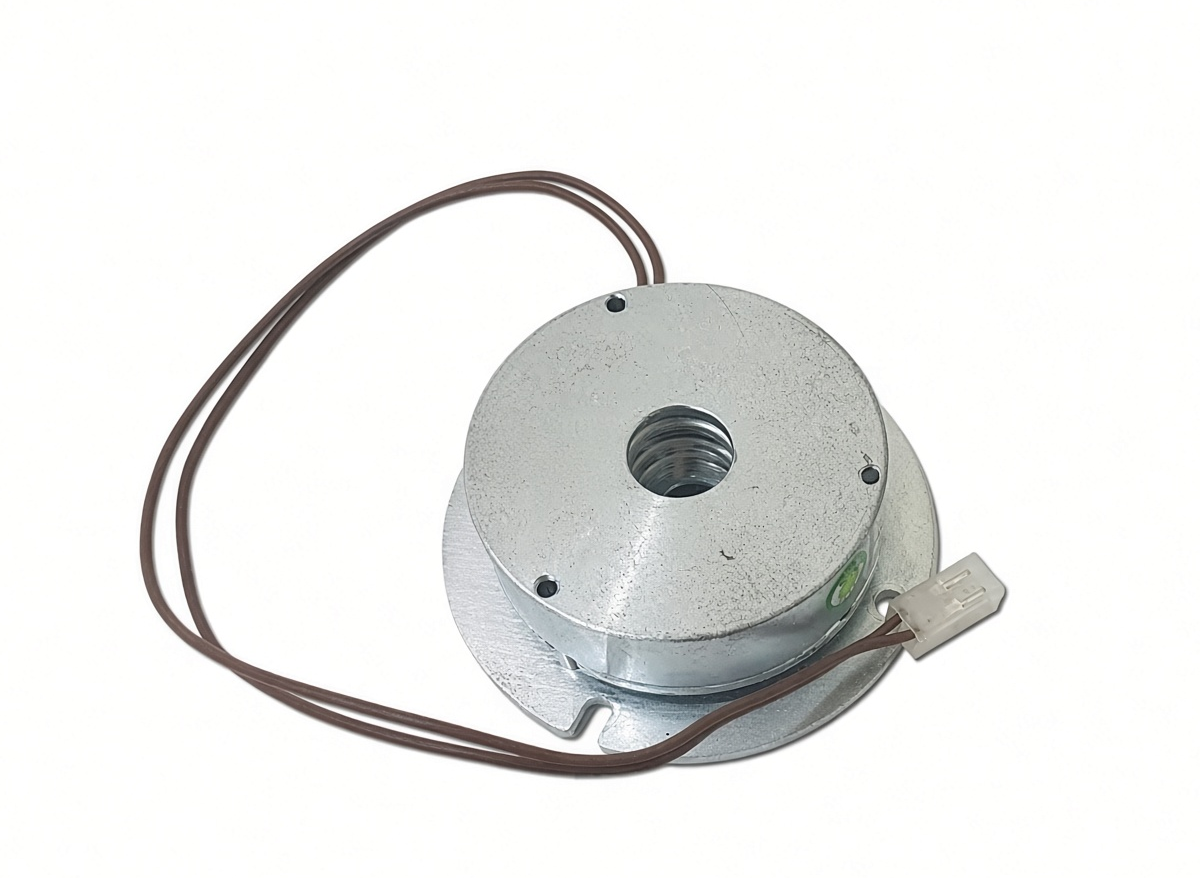
A stairlift is carrying a person up and down an incline, so the braking system is obviously one of the most important parts of the machine.
What surprises some people is that the stairlift brake is normally designed to be applied when the lift is stationary.
When the user asks the stairlift to travel, the brake releases and allows the motor and gearbox to move the carriage along the track.
Once the lift stops again, the brake reapplies.
This means the brake isn’t simply there for emergencies. It is working as part of the stairlift’s normal operation every time the lift starts and stops.
The brake is normally holding the stairlift in place
When a stairlift is parked at the top or bottom of the stairs, the brake is holding the drive system securely.
The lift isn’t relying purely on the motor to stop it rolling along the track.
When the user presses the travel control, several things happen almost at the same time.
The control system checks that the stairlift is safe to move, the motor is energised and the normal brake is released.
The stairlift can then travel along the rail.
When the control is released or the lift reaches its stopping point, the motor stops and the brake reapplies.
Why is the brake designed this way?
The arrangement is designed to make the stairlift naturally secure when it isn’t travelling.
Rather than needing electrical power to keep the brake applied, many stairlift braking systems are designed so that power is used to release the brake when movement is required.
That means the normal resting condition of the lift is for the brake to be on.
This type of fail-safe approach is common in lifting and mobility equipment because it helps prevent unwanted movement when the machine is stationary.
What happens during a power failure?
Domestic stairlifts normally operate from rechargeable batteries, so a mains power cut doesn’t immediately remove power from the lift.
The batteries continue supplying the motor, controls and brake-release system for a period of time.
However, if the stairlift itself loses electrical power, the normal brake is designed to remain applied rather than simply releasing and allowing the chair to move freely.
That is one of the reasons a stairlift won’t normally just roll down the staircase when power is removed.
The motor, gearbox and brake work together
The brake is only one part of the drive system.
A typical stairlift contains:
- An electric motor
- A reduction gearbox
- A drive gear or pinion
- A toothed rack along the track
- A normal service brake
- Additional safety systems
The motor provides the power.
The gearbox reduces the motor speed and provides the torque required to move the stairlift.
The pinion gear then engages with the toothed rack along the track and drives the stairlift up or down the stairs.
The brake controls the stationary condition of that drive system.
Why doesn’t the stairlift simply roll downhill?
A stairlift isn’t designed like a trolley sitting on an inclined rail.
The drive gear is mechanically engaged with the rack on the track, the gearbox provides substantial resistance, and the brake holds the system when the lift is stopped.
Together, these components create a controlled drive system.
This is why the stairlift travels downhill at a controlled speed rather than simply being pulled down by gravity.
There is also separate overspeed protection
The normal brake shouldn’t be confused with the stairlift’s overspeed safety system.
Many stairlifts use an overspeed governor, often referred to as an OSG.
This is an additional mechanical safety device designed to react if the stairlift ever begins travelling downhill at an abnormally high speed.
If excessive speed is detected, the overspeed system can trigger mechanical safety gear to arrest the stairlift.
The normal brake deals with everyday stopping and holding.
The OSG is an emergency backup safety system that hopefully never has to operate.
Why have both systems?
Safety systems are often designed in layers.
The stairlift has its normal motor, gearbox and brake controlling everyday travel.
But if there was ever a serious mechanical fault within the normal drive system, overspeed protection provides another independent layer of security.
This means the stairlift’s safety isn’t dependent on one single component working perfectly forever.
What does a failing brake feel like?
Brake faults are not something a homeowner should try to diagnose internally themselves.
However, unusual symptoms can include:
- A new mechanical noise when starting or stopping
- Movement that feels different to normal
- The lift failing to move even though other systems appear powered
- Error codes on some models
- A noticeable clunk or abnormal brake-release sound
A small click when the brake releases or reapplies can be completely normal on some stairlifts.
The important thing is noticing a sound or behaviour that has suddenly changed.
Can a brake wear out?
Yes, like other mechanical components, stairlift brakes can wear over a long period of use.
How quickly that happens depends on:
- The stairlift design
- Age of the lift
- Amount of daily use
- User weight
- Staircase length and angle
- Maintenance history
A stairlift that has been travelling several times a day for many years has obviously completed far more braking cycles than a lightly used lift.
Regular servicing is important
The brake is one of the reasons regular stairlift servicing matters.
An engineer can check the stairlift’s general drive system, listen for unusual noises and inspect the safety systems according to the manufacturer’s servicing procedures.
Servicing can sometimes identify wear before it develops into a breakdown.
You can find more information about stairlift repairs and servicing here.
Don’t try to release the brake manually
If a stairlift has stopped on the stairs, it can be tempting to start removing covers or attempting to manually release parts of the drive system.
That isn’t recommended.
The brake, gearbox and overspeed protection are safety-critical components.
Releasing or interfering with them without understanding the system could allow movement of a heavy stairlift carriage on an incline.
If the lift cannot be moved normally, it’s much safer to contact a stairlift engineer.
Final thoughts
The normal stairlift brake is actually working every time the stairlift is used.
When the stairlift is stationary, the brake holds the drive system. When travel begins, the brake releases, allowing the motor and gearbox to move the stairlift along the track. When the lift stops, the brake applies again.
Behind that everyday braking system is additional protection such as the overspeed governor, designed to prevent uncontrolled descent in the event of a serious fault.
It’s a good example of how stairlifts use several different mechanical and electrical systems together to provide safe, controlled travel.
If your stairlift is making unusual noises when starting or stopping, or you’re concerned about the braking system, Trent Stairlifts can inspect it throughout Nottingham and the East Midlands. You can request a free, no-obligation quote here.
Stairlift brakes – FAQs
Is a stairlift brake always on?
When the stairlift is stationary, the normal brake is typically applied. It releases when the stairlift is commanded to travel and reapplies when the lift stops.
What happens to the brake during a power failure?
The braking system is designed so the stairlift remains held rather than simply freewheeling down the stairs.
Is the normal brake the same as the overspeed governor?
No. The normal brake controls everyday stopping and holding, while the overspeed governor is an additional safety system for abnormal excessive-speed movement.
Can stairlift brakes wear out?
Yes. Like other mechanical parts, they can wear over many years and thousands of operating cycles.
Is a clicking sound from the brake normal?
A small click as the brake releases or reapplies can be normal on some models. A new or unusually loud noise should be checked.
Should I try to release a stairlift brake myself?
No. The brake and drive system are safety-critical components and should be inspected or released by an experienced stairlift engineer.
post tags :
view related content
Previous Jobs