How Much Electricity Does a Stairlift Use?
One of the questions people often ask before installing a stairlift is how much electricity it will use.
The good news is that stairlifts are actually very energy efficient and cost very little to run. In most homes, the yearly electricity cost of running a stairlift is surprisingly low.
Do stairlifts run on mains electricity?
No modern stairlifts run directly from mains power while travelling.
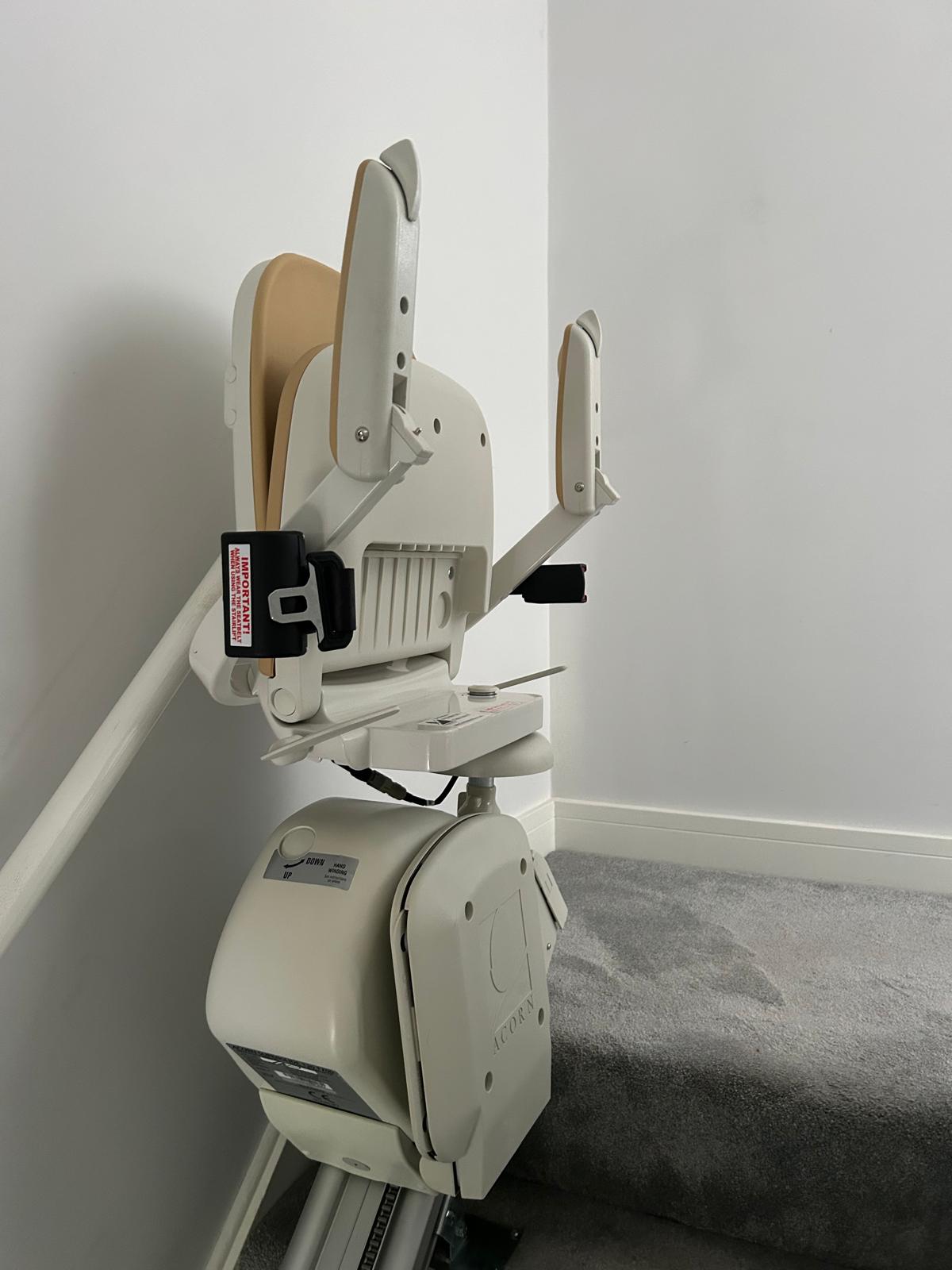
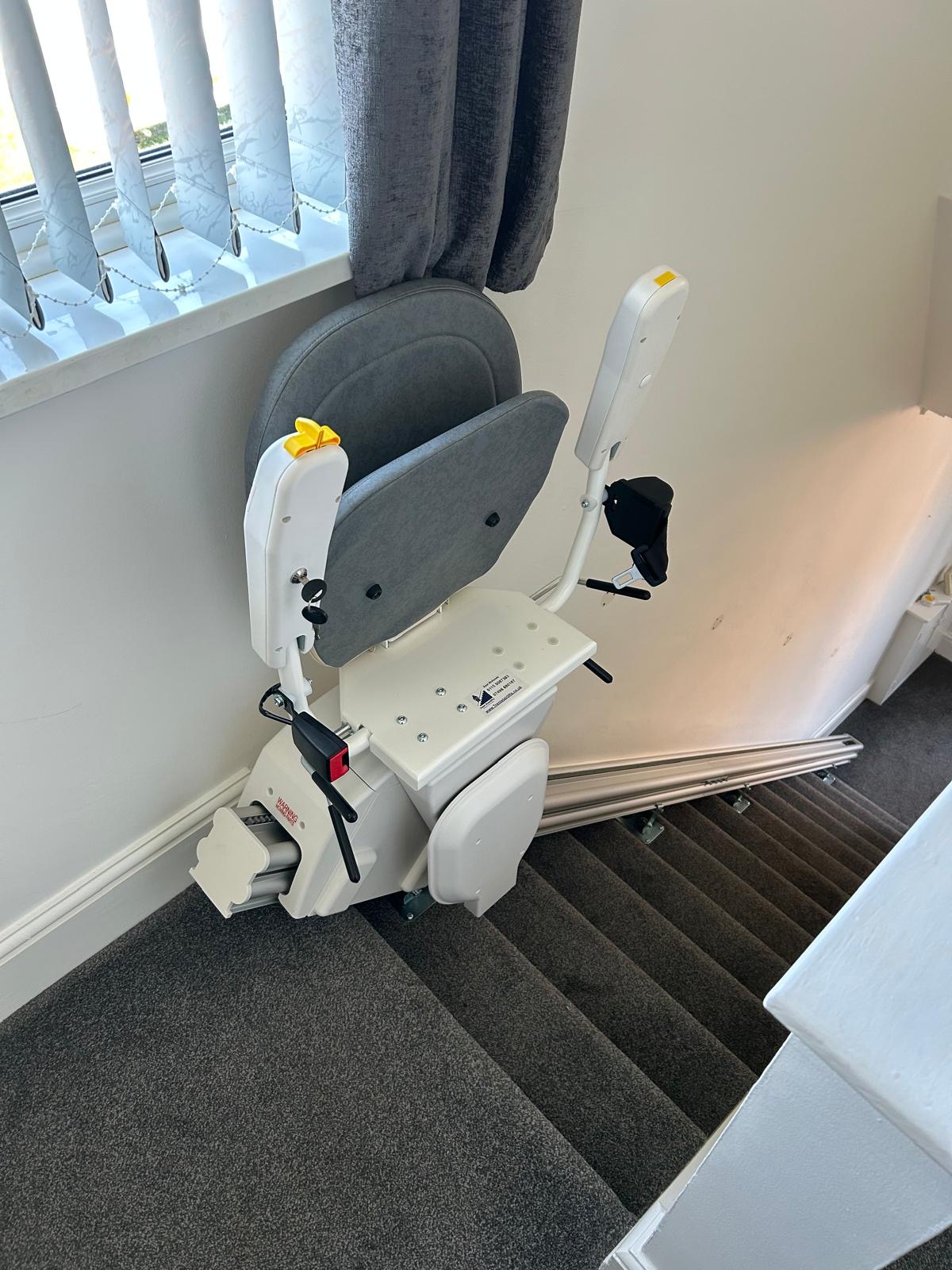
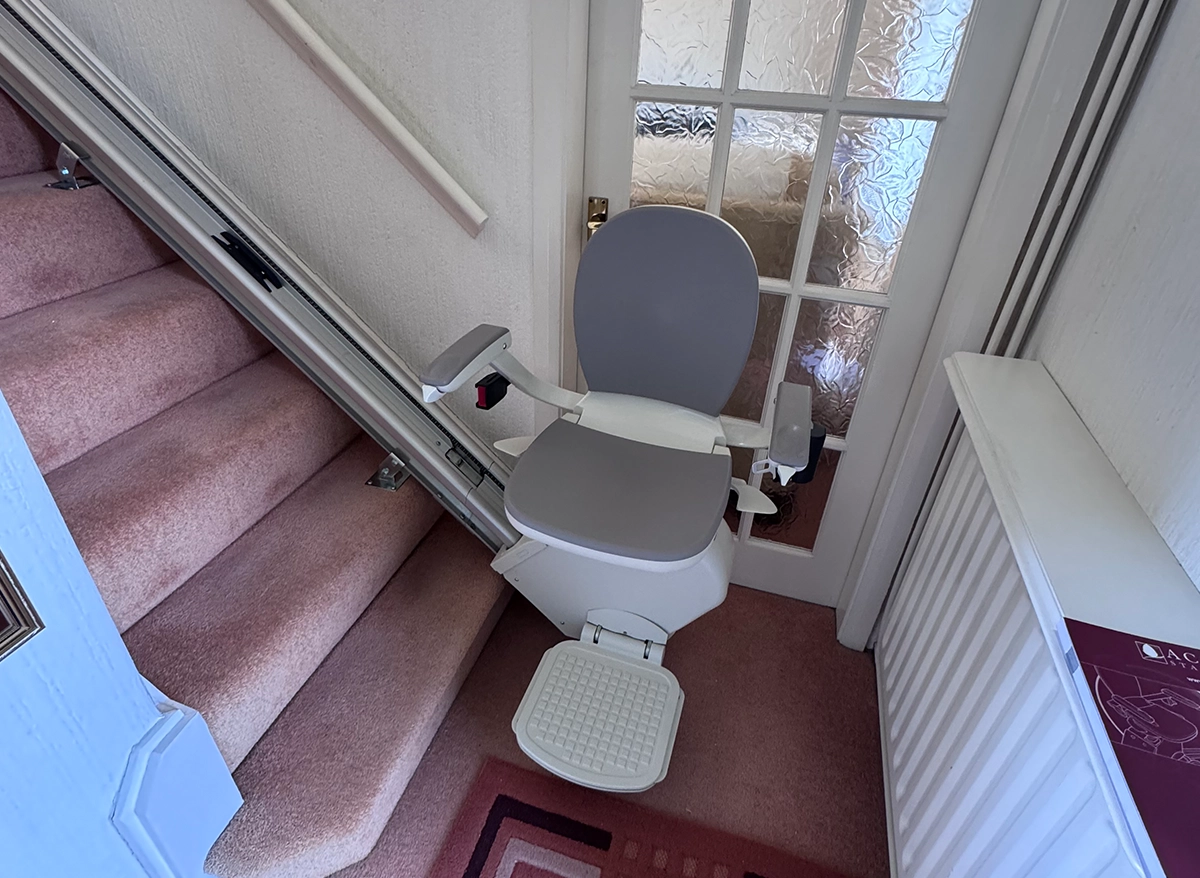
Instead, they operate using internal batteries. The stairlift charges these batteries automatically when it is parked at its charging point on the rail.
Typically, stairlifts use two 12-volt batteries which together form a 24-volt system. The mains electricity simply keeps these batteries topped up whenever the stairlift is not in use.
This is also why stairlifts continue working during a power cut.
How much power does a stairlift charger use?
The charger connected to the stairlift usually draws a small amount of power.
While charging, most stairlift chargers use around:
- 20–40 watts of electricity
Once the batteries are fully charged, the system usually switches to a small trickle charge which uses even less power.
Typical yearly electricity cost
In most homes, the average electricity cost of running a stairlift is around:
- £10 – £30 per year
This can vary slightly depending on how often the lift is used, the length of the staircase and the condition of the batteries.
Even with daily use, the electricity consumption is generally very small.
How much electricity does each journey use?
A typical stairlift journey lasts less than a minute.
Because the motor only runs for a short time, the actual energy used per trip is very small. In many cases it’s similar to running a kettle or microwave for just a few seconds.
Most of the electricity used by a stairlift actually comes from keeping the batteries charged rather than the lift moving up and down the stairs.
Do older batteries affect electricity usage?
Battery condition can make a small difference to electricity usage.
As batteries age, they may need to charge more frequently to maintain their capacity. This is one of the reasons stairlift batteries are usually replaced every few years.
Most sealed lead-acid stairlift batteries are replaced roughly every 2–3 years as part of normal maintenance.
Why stairlifts are energy efficient
Stairlifts use very little electricity because of their design.
- They only run for short periods
- The motor operates from batteries
- The charger uses low power
- Automatic charging keeps batteries maintained
Compared with many common household appliances, a stairlift is one of the lowest energy devices in the home.
If you’d like advice on choosing a stairlift or understanding running costs, you can always request a quote or survey and we’ll be happy to help.
Final thoughts
Stairlifts are designed to be efficient and inexpensive to run.
Because they operate from rechargeable batteries and only travel for short periods, most homes will spend only a small amount on electricity each year.
Stairlift electricity usage – FAQs
Do stairlifts use a lot of electricity?
No. Stairlifts use very little electricity and typically cost around £10–£30 per year to run.
Do stairlifts run on batteries?
Yes. Every modern stairlift is battery driven and recharge automatically when parked.
Will a stairlift work during a power cut?
Yes. Because they run on batteries, stairlifts continue working during power outages.
Does the stairlift use electricity when not moving?
Yes, but only a very small amount to maintain the battery charge.
How often should stairlift batteries be replaced?
Most stairlift batteries are replaced around every 2–3 years depending on usage.
post tags :
view related content
Previous Jobs