The Safety Features on Stairlifts
Modern stairlifts are designed with a number of safety systems to ensure users can travel up and down the stairs safely and comfortably.
For many people, especially those using a stairlift for the first time, safety is one of the biggest concerns. Fortunately, stairlift manufacturers include several built-in safety features that protect the user and prevent accidents.
Obstruction sensors
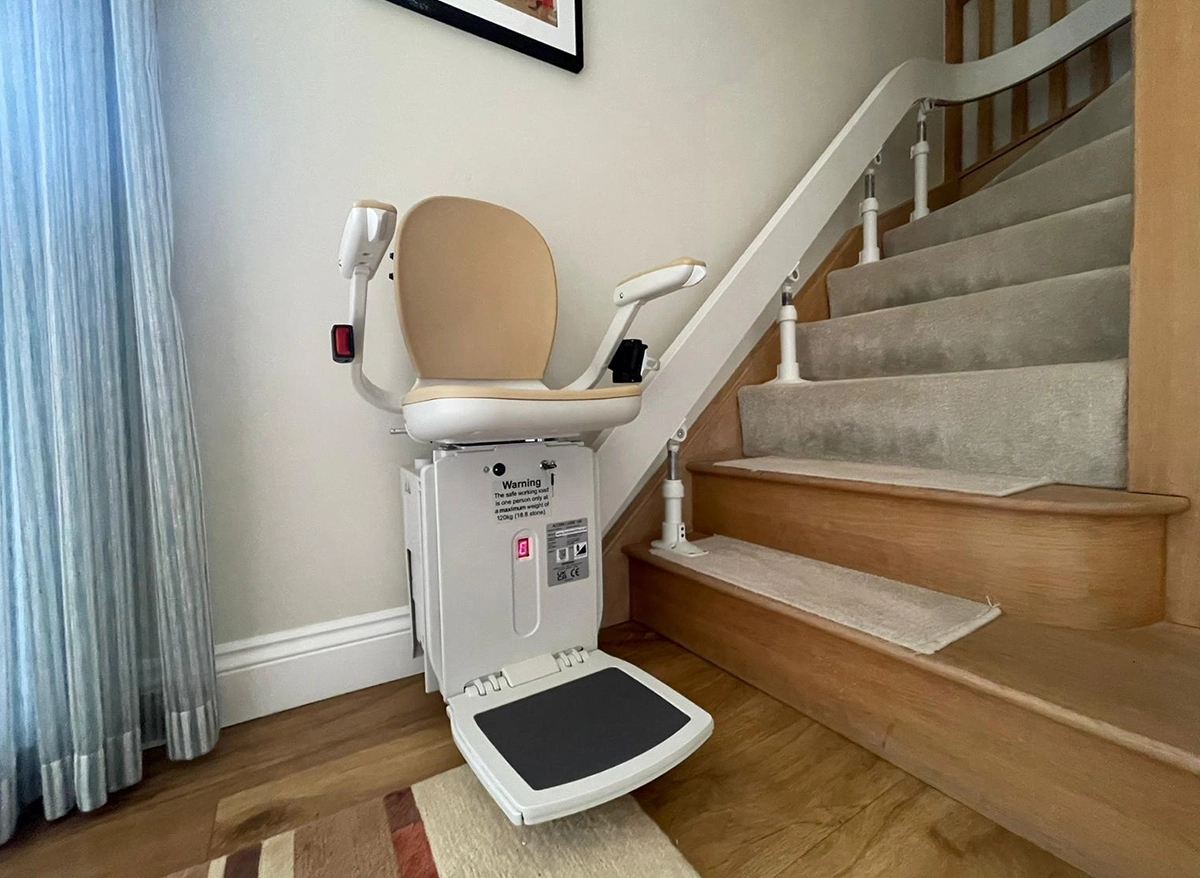
One of the most important safety features on any stairlift is the obstruction sensor.
These sensors are positioned around the footrest and carriage of the stairlift. If the lift detects an object on the stairs while travelling, it will automatically stop.
This helps prevent the stairlift from colliding with objects such as shoes, toys or other items left on the staircase.
Seat belt
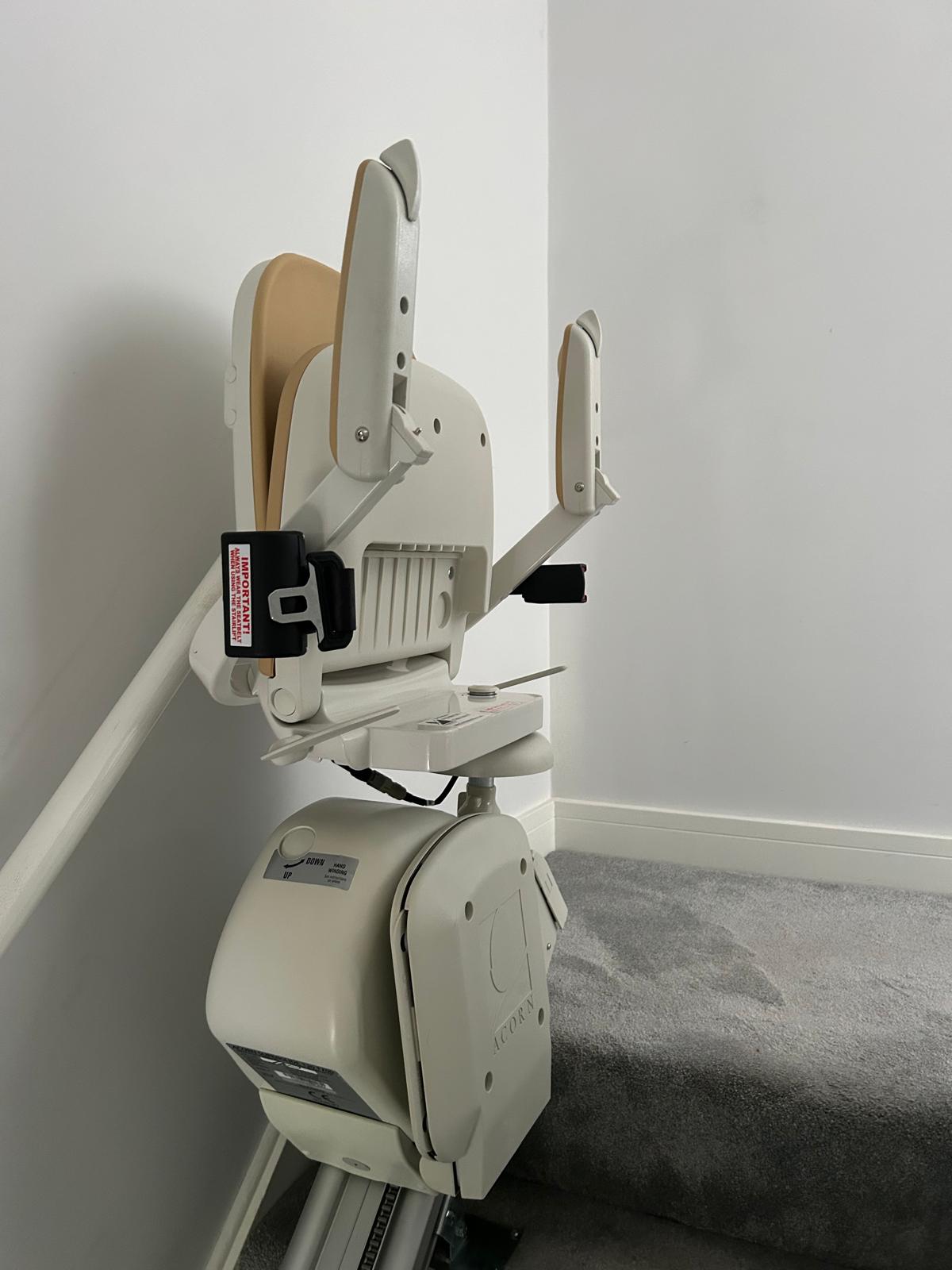
Most stairlifts include a seat belt similar to the type found in a car.
This helps keep the user safely seated while the lift is moving. It also provides additional reassurance for users who may have limited balance or mobility.
Swivel seat for safe exiting
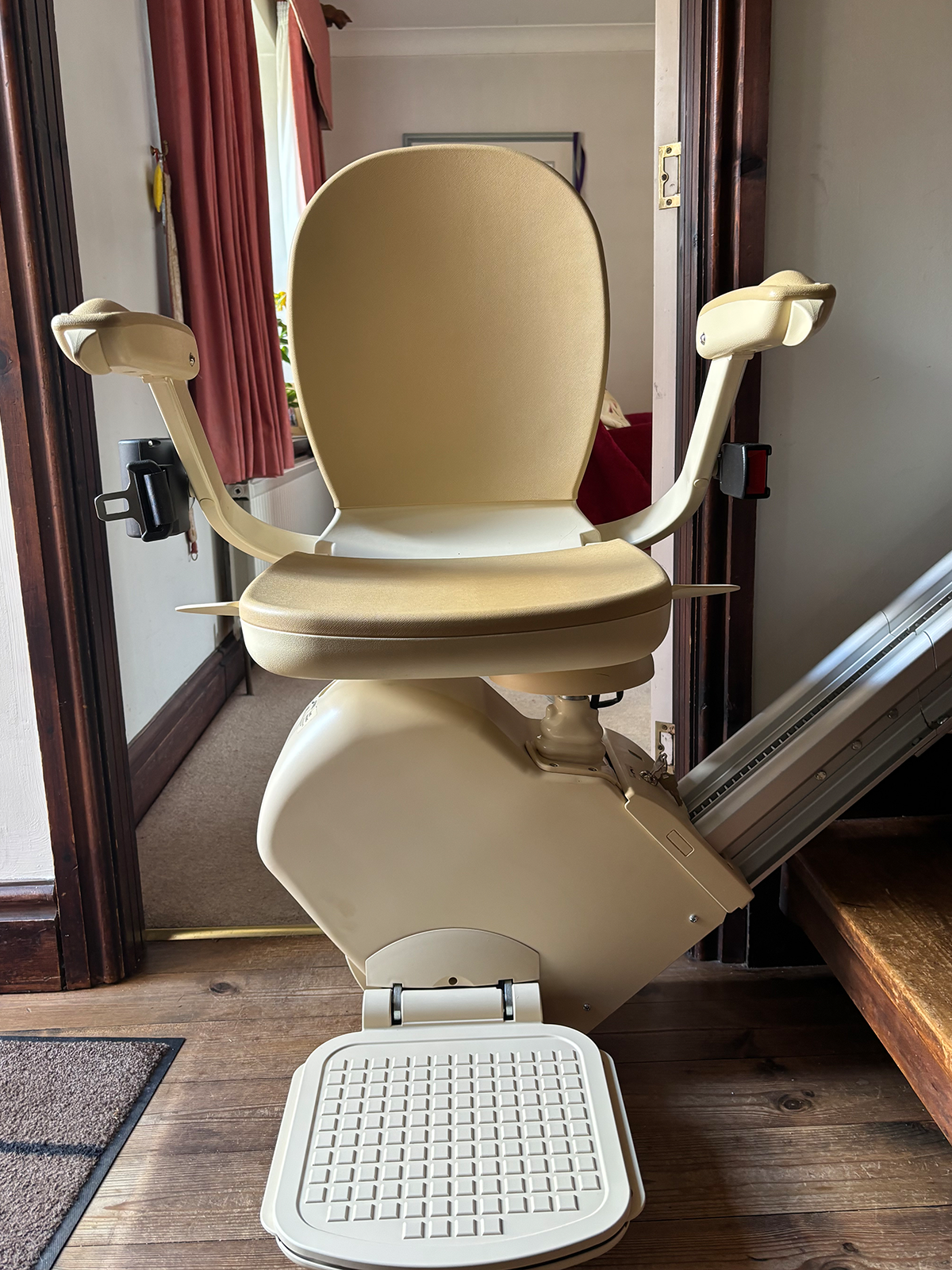
At the top of the staircase, the stairlift seat can swivel away from the stairs.
This allows the user to get on and off the stairlift from the landing rather than stepping directly onto the staircase itself. Swivel seats can be manual or powered depending on the model.
Smooth start and stop technology
Modern stairlifts are designed to move smoothly.
They include soft start and soft stop systems which prevent sudden movements when the lift begins travelling or comes to a stop. This makes the ride more comfortable and reduces the risk of losing balance.
Battery backup during power cuts
All modern stairlifts operate using internal batteries.
These batteries allow the stairlift to continue working even if the mains power supply is interrupted. This means users are not left stranded during a power cut.
The batteries recharge automatically whenever the stairlift is parked on its charging point.
Key switch or isolation switch
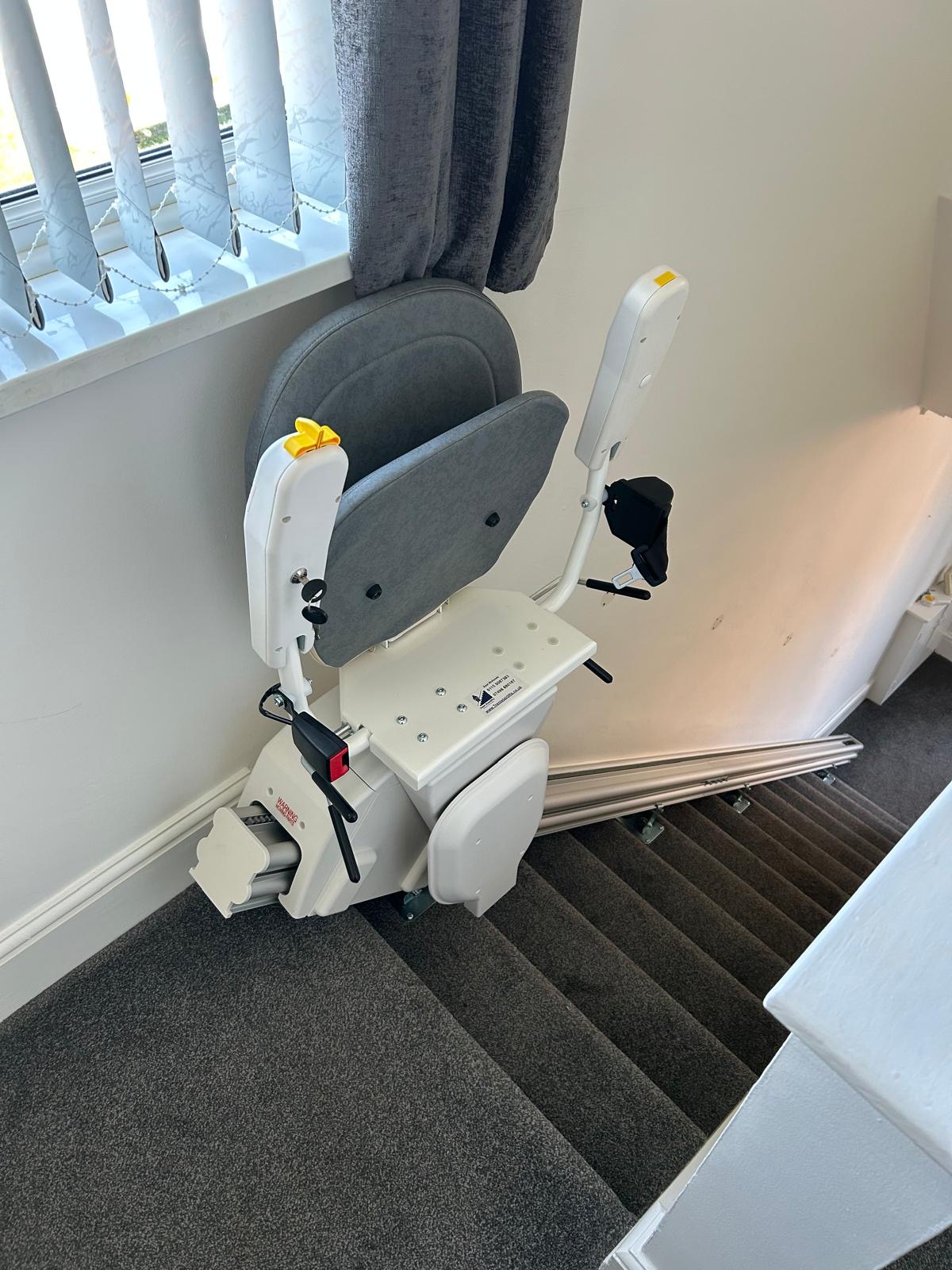
Many stairlifts also include a key switch or power isolation switch.
This allows the stairlift to be turned off when not in use, which can be helpful in homes with children or where the lift should only be used by specific people.
Remote controls
Stairlifts normally come with remote controls that allow the lift to be called or sent up and down the stairs.
This is useful when more than one person uses the lift or when the stairlift is parked at the opposite end of the staircase.
If you’d like advice on choosing a safe and suitable stairlift for your home, you can request a quote or survey and we’ll guide you through the options.
Final thoughts
Modern stairlifts are built with multiple safety systems to protect users and ensure reliable operation.
From obstruction sensors to battery backup systems, these features work together to provide a safe and comfortable way of travelling between floors.
Stairlift safety – FAQs
Are stairlifts safe to use?
Yes. Modern stairlifts are designed with several safety features including sensors, seat belts and smooth start and stop systems.
What happens if something is on the stairs?
The stairlift will usually stop automatically if an obstruction is detected, but it’s always advised to use your own eyes and cation around moving machinery.
Do stairlifts work during a power cut?
Yes. All modern stairlifts run on internal batteries which allow them to operate during power outages.
Do stairlifts have seat belts?
Yes. Most models include a seat belt to help keep the user secure while travelling.
post tags :
view related content
Previous Jobs